Why you should NOT take sand or shells from Cancún's beaches
We get it. You're walking along the beach, the water is that shade of blue that only exists in the Mexican Caribbean, and suddenly you spot the perfect shell: glossy, intact, a shape you've never seen before. The urge to drop it in your bag is almost automatic. Keep reading, because we're about to tell you exactly why you should leave it right where it is.
👇🏼 What's in this guide:
It's not just a shell: it's part of a living ecosystem.
Is it actually illegal to take shells from the beach in Mexico?
Sargassum, the reef, and the balance we're all quietly disrupting
What CAN you take home as a souvenir?
Our philosophy on board: the sea is our home
Leave the sea the way you found it, or better
But before you do anything else, we're asking you to read this.
What looks like a harmless souvenir can have very real consequences for the marine ecosystem that makes Cancún, Isla Mujeres, and Isla Contoy some of the most extraordinary destinations on the planet.
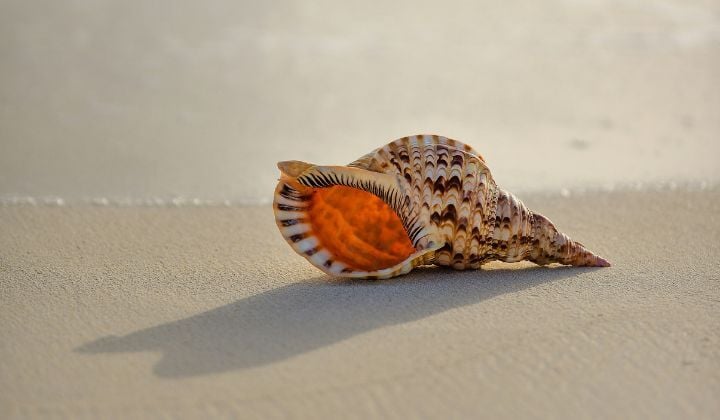
It's not just a shell: it's part of a living ecosystem.
The shells you find on the beaches of the Mexican Caribbean aren't there by accident. They're active pieces of a biological chain that has been running for thousands of years:
- They serve as temporary homes for hermit crabs, which use them as protective shells.
- They act as substrate for algae, sponges, and microorganisms that form the base of the marine food chain.
- They break down slowly and release calcium back into the sand, helping maintain beaches naturally.
- They're natural building materials for the Mesoamerican coral reef, the second largest in the world, which runs right along these shores.
When one person takes a shell, the impact feels minimal. But more than 10 million tourists pass through Cancún and the Riviera Maya every year. Multiply that out, and the effect is devastating.
Is it actually illegal to take shells from the beach in Mexico?
Yes. Mexico's General Wildlife Law prohibits removing living or dead marine organisms from conservation areas or national parks without a special permit. Isla Contoy, for example, is a Federal National Park with controlled access; only 200 visitors are allowed per day.
On top of that, both Mexican customs and international customs can confiscate shells, corals, or other marine materials when you're leaving the country if you don't have documentation proving their legal origin. It's simply not worth the risk financially or environmentally.
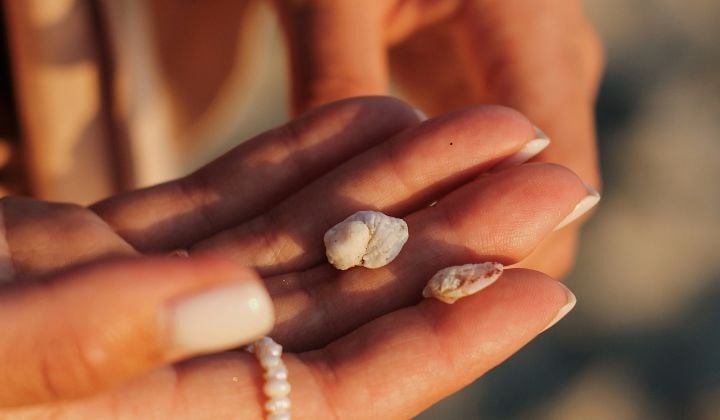
Sargassum, the reef, and the balance we're all quietly disrupting
The Mexican Caribbean is facing an unprecedented environmental crisis: the massive spread of sargassum. While the causes of climate change and nutrient pollution in the Atlantic are complex, scientists agree that weakened coastal ecosystems are far more vulnerable to this phenomenon.
Every element removed from the beach shells, sand, and coral contributes to weakening that ecosystem. What feels like a vacation keepsake is actually a piece of the puzzle keeping the most important reef in the Western Hemisphere alive.
What CAN you take home as a souvenir?
Good news: there are plenty of alternatives that are just as beautiful and have zero environmental impact:
- Photos and videos of the sea, the sunsets, and the marine life you'll encounter while snorkeling.
- Local crafts from the markets in Isla Mujeres or Mercado 28 in Cancun are souvenirs with a conscience (though even there, be selective about what you buy).
- Local products: salsas, textiles, and handcrafted silver jewelry from the region.
- Intangible memories: stories, new friends, the experience of swimming above the second-largest barrier reef in the world.
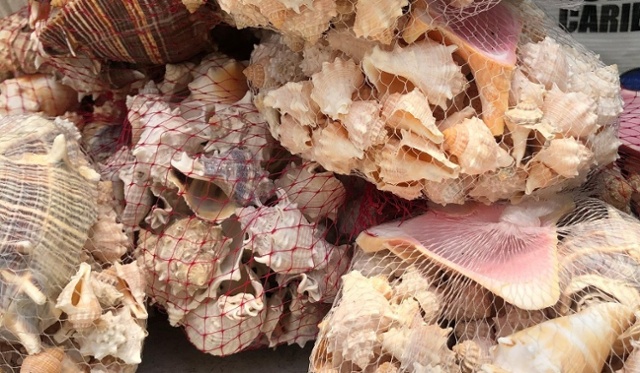
And one more thing: don't buy shells, starfish, or driWe also ask every single one of our guests to use only biodegradable sunscreen, to avoid touching the corals while snorkeling, and to leave every natural element — in the water or on the beach — exactly where they found it.ed corals from street vendors in Cancún or Isla Mujeres, even if they tell you they're "cured" or sourced from "responsible" farms. No element of the marine ecosystem should be removed from its habitat for commercial purposes. Period.
Our philosophy on board: the ocean is our home.
At Cancun Sailing, we've been navigating these waters for years. We've seen firsthand how the reef has changed over time, how marine life in once-thriving areas has declined, and how beaches and ecosystems bounce back when people actually take care of them.
That's why on each of our tours, whether sailing to Isla Contoy, snorkeling on the reef, or touring Isla Mujeres by catamaran, we include an honest conversation about caring for the marine environment. Not because we have to, but because we genuinely believe that traveling with awareness makes the whole experience more meaningful for everyone.
We also ask ALL our guests to use only biodegradable sunscreen, not to touch the corals while snorkeling, and not to remove any natural items from the water or the beach.
Leave the sea as you found it, or better.
Next time you spot that perfect shell at the water's edge, take a photo of it. Notice its colors, its texture, the way the sun hits it. That moment is yours to keep forever and the shell stays where it belongs: in the Caribbean.
Traveling responsibly doesn't mean giving up the fun. It means making sure future generations get to see the same turquoise sea you're looking at today.
Want to experience the Caribbean with a company that genuinely cares about every detail of the ecosystem? Check out our catamaran tours to Isla Contoy, Isla Mujeres, and beyond.
The Caribbean is waiting.
-
Up next: What souvenirs to buy during your visit to Isla Mujeres?




 Diana Gonzalez



 Giovanna Ricalde : Nov 16, 2022, 1:15:00 PM