Marine life of Isla Contoy National Park
 Diana Gonzalez : Jul 24, 2026, 2:38:19 PM
Isla Contoy has beautiful marine life in the Mexican Caribbean. A tourist destination that will make you want to return.




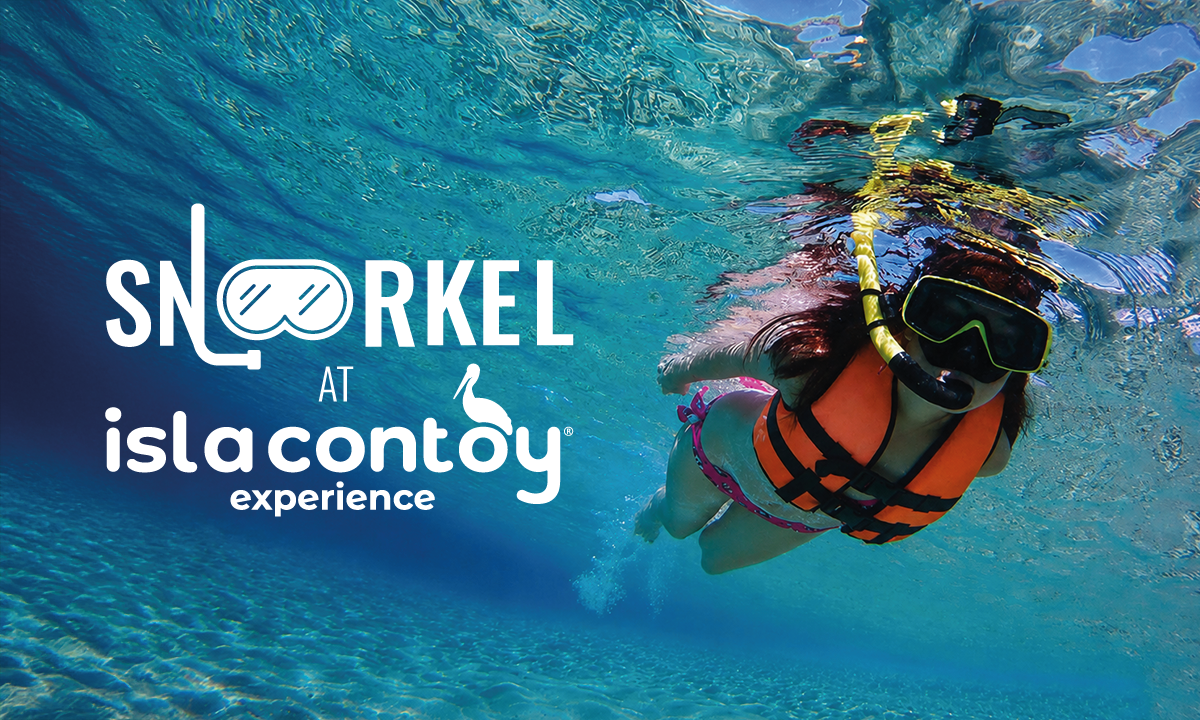
If you're planning a trip to Isla Contoy and snorkeling is on your must-do list, here's everything you need to know before you gear up and jump into the water to experience one of the most breathtaking reefs in the world.
Snorkeling in Isla Contoy takes place mainly at the Ixlaché Reef, on the southern side of the island. One interesting fact: this reef is part of the second-largest barrier reef system in the world, right after Australia's Great Barrier Reef.
The Mesoamerican Reef System (MRS) is a cross-border reef that spans four countries and is home to 400 coral species and nearly 7,000 marine species. When you snorkel here, you're not just looking at any reef. You're swimming above one of the most biodiverse ecosystems on the planet.
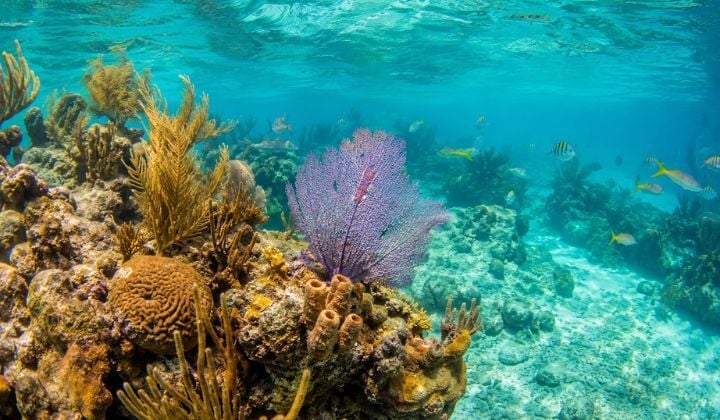
The marine diversity in Contoy is remarkable. Here are some of the creatures you might come across during your dive:
Did you know there are more than 257 fish species, grouped into 148 genera and 72 families? Among the most eye-catching is the blue tang (Paracanthurus hepatus), known for its electric blue color, black stripes, and yellow fins. Sound familiar? That's the same fish that inspired the character Dory in Finding Nemo. You'll also spot grunts (Haemulon), with their striking colorful stripes running the length of their bodies.
.jpg?width=720&height=420&name=BLOG%20(1).jpg)
Green sea turtles typically nest on the park's beaches, returning year after year to lay their eggs. Hawksbill turtles (Eretmochelys imbricata), which are critically endangered, also inhabit the surrounding waters and play a key role in maintaining coral reef health.
Among the rays you might find is the giant manta ray (Manta birostris), which lives in temperate seas and feeds on plankton. You may also spot the spotted eagle ray (Aetobatus narinari), which lives in the shallow waters of coral reefs.
Nurse sharks (Ginglymostoma cirratum), often mistaken for catsharks, live in the island's shallow waters. They move slowly and have a docile nature, so there's no need to be alarmed if you come across one. They're also important for keeping the marine ecosystem balanced, since they help control populations of other species, like invertebrates, and maintain healthy seafloor structure. As they dig through the bottom in search of food, they stir up sediment, which helps sustain the biological health and balance of the reefs.
| Nurse Shark | CatShark |
|---|---|
| Size: up to 10 feet (3 meters) | Generally between 1 and 5 feet (30 cm–1.5 m), depending on the species |
| Family: Ginglymostomatidae | Family: Scyliorhinidae |
| Range: Western Atlantic and Caribbean, including Cancún, Isla Contoy, and Isla Mujeres | Found in many oceans; several species live in the Atlantic, Pacific, and Indian Oceans |
| Behavior: very docile, tends to rest on the seafloor during the day | Also calm, but smaller and more reclusive |
| Diet: fish, crustaceans, mollusks, and small rays | Small fish, crustaceans, and other invertebrates |
.jpg?width=720&height=420&name=BLOG%20(2).jpg)
The seafloor is teeming with invertebrates like sponges, sea urchins, starfish, mollusks, marine worms, and crustaceans. You're bound to encounter a few of these during your experience!
Between May and September, the largest fish in the world: the whale shark.
Migrates through the waters of Yucatán and can frequently be spotted near Holbox and Isla Contoy.
Some tours combine visits to different islands or destinations with a whale-shark swim during this season. An experience that very few places in the world can offer. It's well worth not missing out.
Just remember to book with responsible operators who follow distance and interaction guidelines. Even though whale sharks are the largest sharks in the world, they're actually quite shy and may swim away if they feel threatened.
Isla Contoy protects 173 seabird species, 14 reptile species, around 250 fish species, and endangered sea turtles.
West Indian manatees (Trichechus manatus) can also be found in the park's coastal waters, feeding on seagrass.
Isla Contoy sits at the point where the Caribbean Sea, the Gulf of Mexico, and the cold waters of the Yucatán Channel converge, making its waters unlike those of any other place in the Caribbean. This mix of ecosystems creates a nutrient blend that fuels plankton growth, turning the area into a rich feeding ground for a wide variety of marine species.
Snorkeling in Isla Contoy isn't just a tourist activity; it's a genuine connection with one of the best-preserved marine ecosystems in the world. You'll be swimming over the second-largest reef on the planet, surrounded by hundreds of species coexisting in a balance that few areas of the Caribbean have managed to maintain.
And here's the best part: once you're out of the water, you'll know you were one of only 200 lucky people to set foot on that island that day.
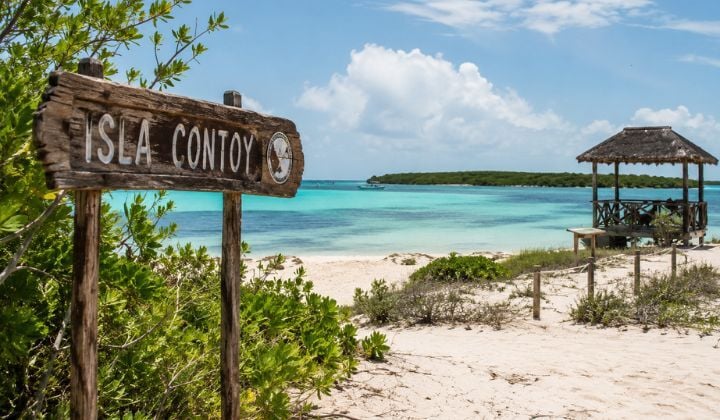
1. Use only biodegradable sunscreen
During water activities, avoid wearing sunscreen until after you're out of the sea. Once back on land, you can apply it to protect yourself from the sun. The chemical compounds in conventional sunscreens damage coral.
2. Wear neoprene or lycra clothing
Besides protecting you from the sun, a rashguard-style shirt reduces accidental contact with coral and jellyfish.
3. Follow the "no touching" rule
Corals are extremely fragile living organisms. A single touch can destroy years of growth.
4. Restrictions for minors
IMPORTANT: If you're traveling with children or minors, keep in mind that snorkeling is prohibited for children under 8, and minors under 16 must be accompanied by an adult at all times.
5. Book well in advance
Isla Contoy can accommodate only 200 visitors per day, so we recommend booking in advance, especially during high season, which typically runs from November to February. If you wait until close to your visit date, you risk not getting a spot.
6. Bring cash for the dock tax
Most tours don't include the dock tax (around $20 USD). Be sure to check with your preferred tour operator when booking.
7. The snorkeling session lasts 15 to 30 minutes
The first stop on the tour is the Mesoamerican Reef, where you'll snorkel for 15 to 30 minutes in shallow, crystal-clear waters. Make every second count.
Is it on your list yet? Let us know in the comments which species you'd most like to see during your snorkel trip to Contoy.

 Diana Gonzalez : Jul 24, 2026, 2:38:19 PM
Isla Contoy has beautiful marine life in the Mexican Caribbean. A tourist destination that will make you want to return.
 Diana Gonzalez : Aug 18, 2026, 3:50:55 PM
Discover Isla Contoy National Park, a stunning natural reserve in the Mexican Caribbean. Learn about its diverse flora, fauna, and vibrant marine life
 Diana Gonzalez : Jul 22, 2026, 12:00:21 PM
Here's our of top 6 sunscreen biodegradable brands that are affordable, reef-safe and made in Mexico! Swim and snorkel without hurting the marine...